The Latin inscription above the entrance of the chapel commemorates the protection of St. Roch and the victims of the cholera outbreak of 1831, in whose memory the chapel was built.



History of the chapel
The small chapel was built in gratitude for the retreat of the major cholera epidemic that struck the town in the summer of 1831. More than 200 inhabitants of Moldava fell victim to the epidemic. In the parish, including Budulov and Mokrance, there were more than 300 victims in total.
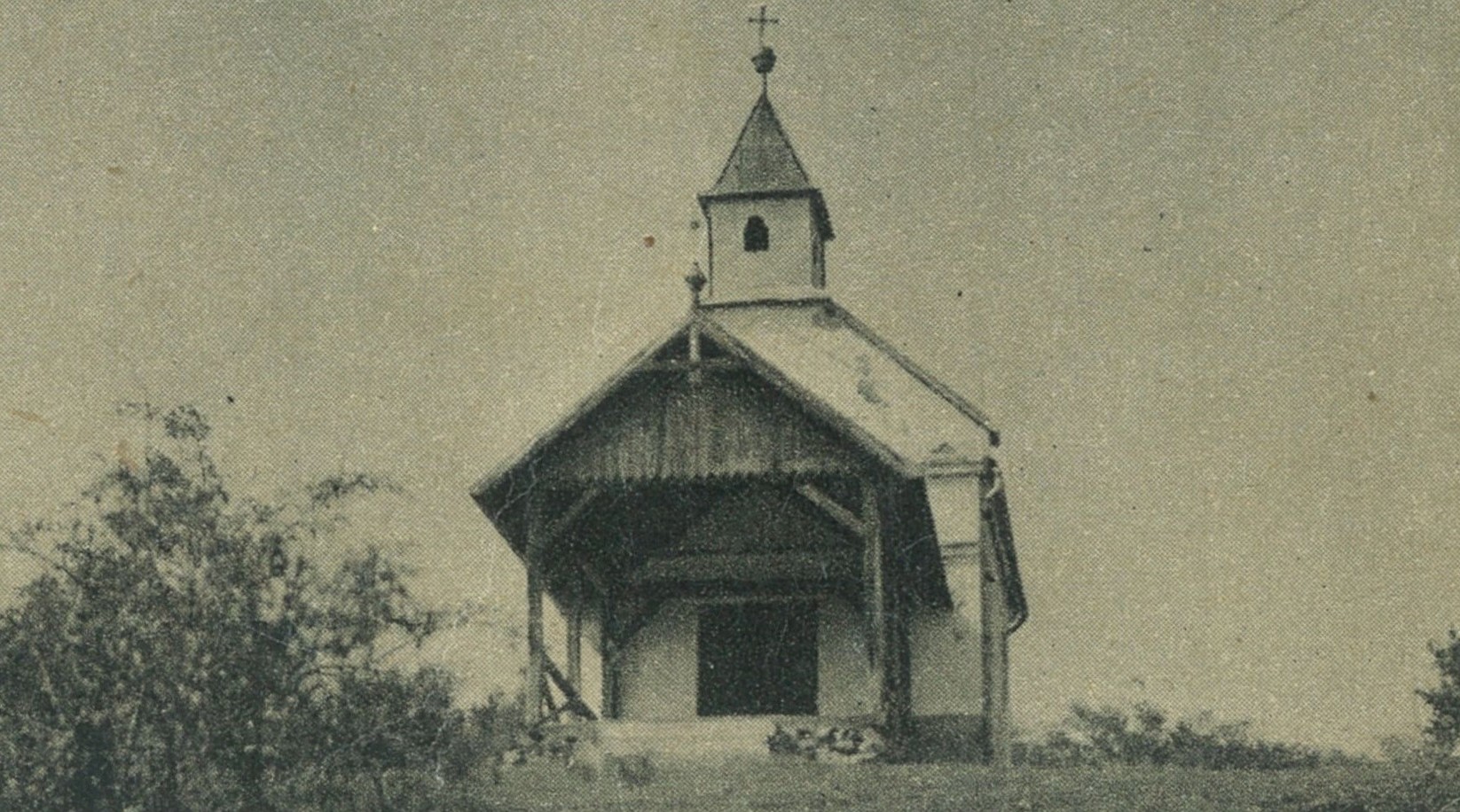
Fig. 1. View of the original chapel (postcard)
When the epidemic subsided, the grateful people of Moldava built a chapel in 1833. This is also confirmed by the inscription above the entrance to the chapel’s interior. Inside the chapel there is a single altar, featuring a painting of Saint Roch by an unknown 19th‑century artist. The chapel is dedicated to Saint Roch.
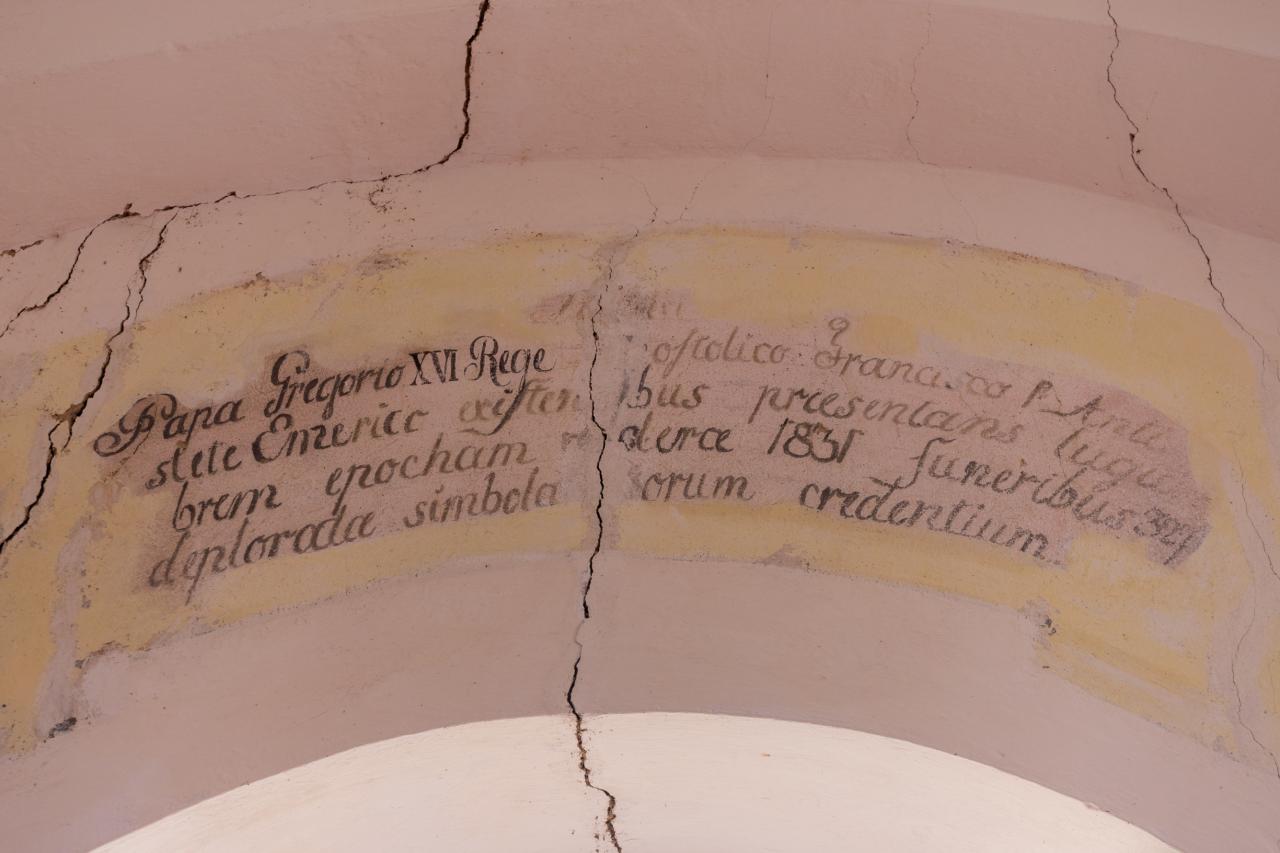
Fig. 2. Inscription above the entrance
The chapel building
The Chapel of St. Roch is located on a hill northwest of the town. It is just under 10 meters long, with the oval sanctuary measuring 2.5 meters in length and 5.5 meters in width. On the southern side it has small windows and a memorial plaque from 2006, created by the local artist Ján Lukács. The entrance door of the chapel is metal‑clad and hung on hinges, with a wooden door frame. In front of the entrance there was originally a wooden covered canopy, which has since been replaced by a metal structure. Three concrete steps lead up to the entrance area. The chapel has a sheet‑metal roof and, above the entrance on the eastern side, a small sheet‑metal turret.
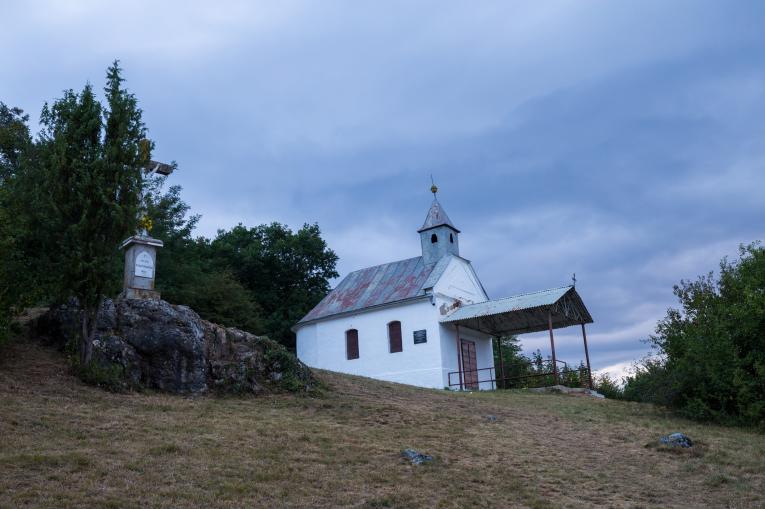
Fig. 3. View of the chapel today
On the northern interior wall there is a painted scene from the time of the epidemic – the burial of cholera victims. The painting has a naïve character and was probably created by one of the local craftsmen. Originally it had muted, somber colors, but at the beginning of the 21st century it was inappropriately restored and given bright green, blue, and red tones that contradict the original intent. In 1931, on the occasion of the hundredth anniversary of the outbreak of the epidemic, a memorial cross was erected south of the chapel.
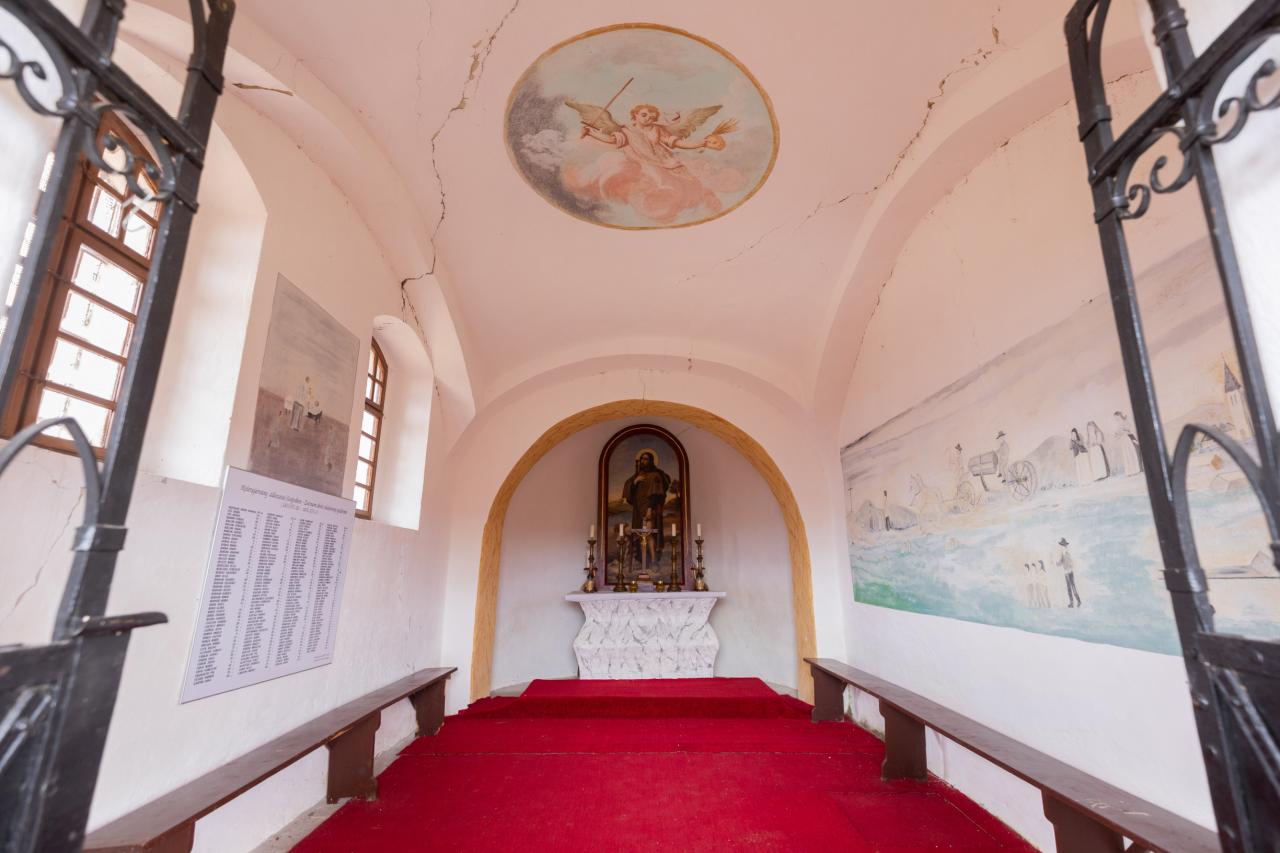
Fig. 4. Interior of the chapel
Saint Roch
Saint Roch is the patron of Croatia, the protector of doctors, pharmacists, hospitals, farmers, merchants, and of those suffering from plague, cholera, and other infectious diseases. He was born in 1295 in the city of Montpellier in southern France. He is one of the venerated figures of the Catholic Church. He is often depicted as a bearded pilgrim with a hat, frequently accompanied by a dog, and carrying a staff, sword, or bag. In many illustrations he points to a plague sore on his leg.
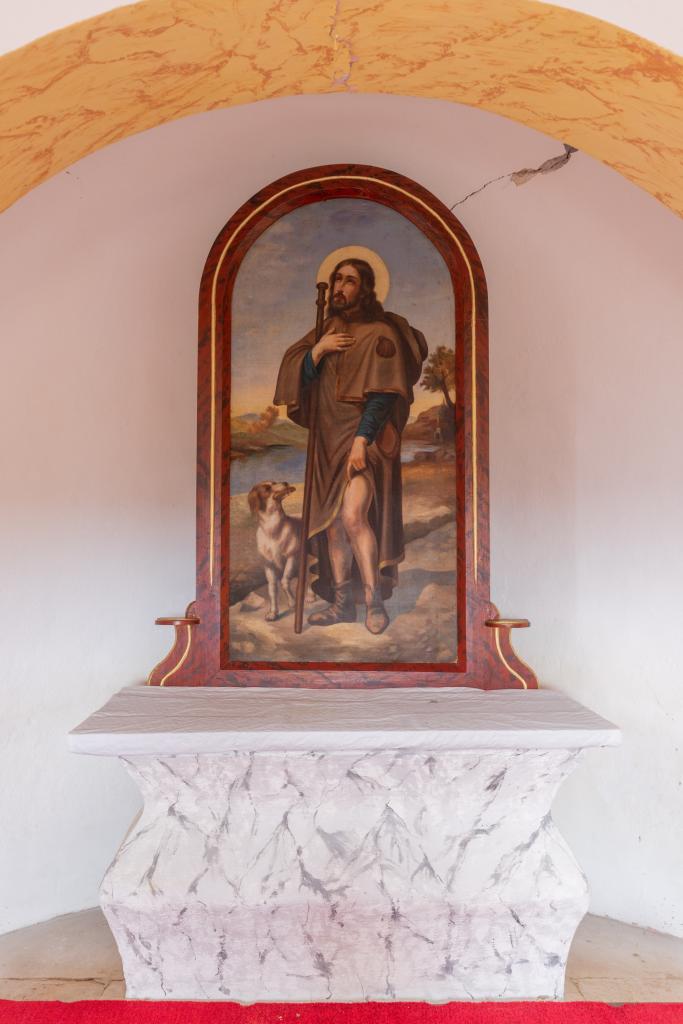
Fig. 5. Altar in the chapel – painting of St. Roch (a 19th‑century work by an unknown artist)
The chapel was dedicated to him because, during the difficult times of the epidemic, the townspeople turned to him in their prayers. They did so under the influence of Croatian settlers living in the surrounding villages.
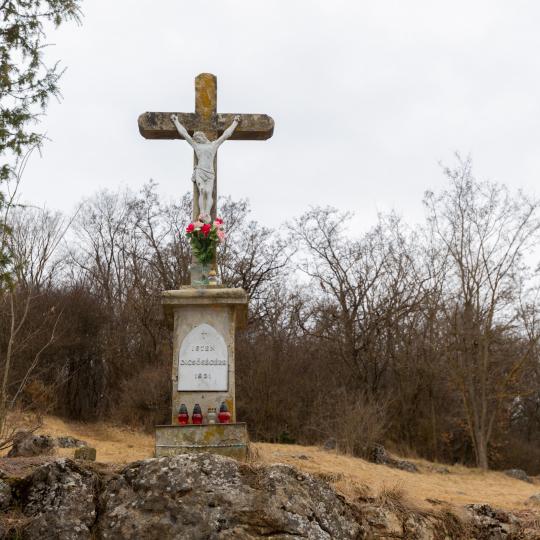
Fig. 6. Memorial cross for the 100th anniversary of the outbreak of the epidemic (erected in 1931)
At present, an indulgence Mass is held in the chapel every August in memory of the victims. The chapel is open only during these services.
The Chapel of St. Roch through the eyes of artificial intelligence
Listen to the song about the Chapel of St. Roch, composed with the help of artificial intelligence:
Watch the video animation from the postcard featuring the chapel:
Source: created using an AI tool https://artlist.io/
Sources
- Peter Halász
- Pamiatky mesta Moldava nad Bodvou, available online - https://www.moldava.sk/mesto/pamiatky/kaplnka-sv-rocha/
Figure Credits
- Fig. 1. - postcard, collection of Mária Ratkovská
- Fig. 2., Fig. 3., Fig. 4., Fig. 5., Fig. 6. - photographs, author: Adrián Juríček