"Every discovered fragment is proof that time passes,
yet the stories remain."


Cave
The Moldava Cave is located in the karst of the Medzev Hills, with its entrance situated directly in the town of Moldava nad Bodvou on a limestone slope. The cave lies within the town’s built-up area and extends below the level of the Bodva River. Its system consists of a labyrinth of passages connecting low spaces, making movement difficult even for experienced cavers. With a length of about 3 km, it is classified among the longest caves in Slovakia, and as an underground labyrinth, it is the largest in the country.
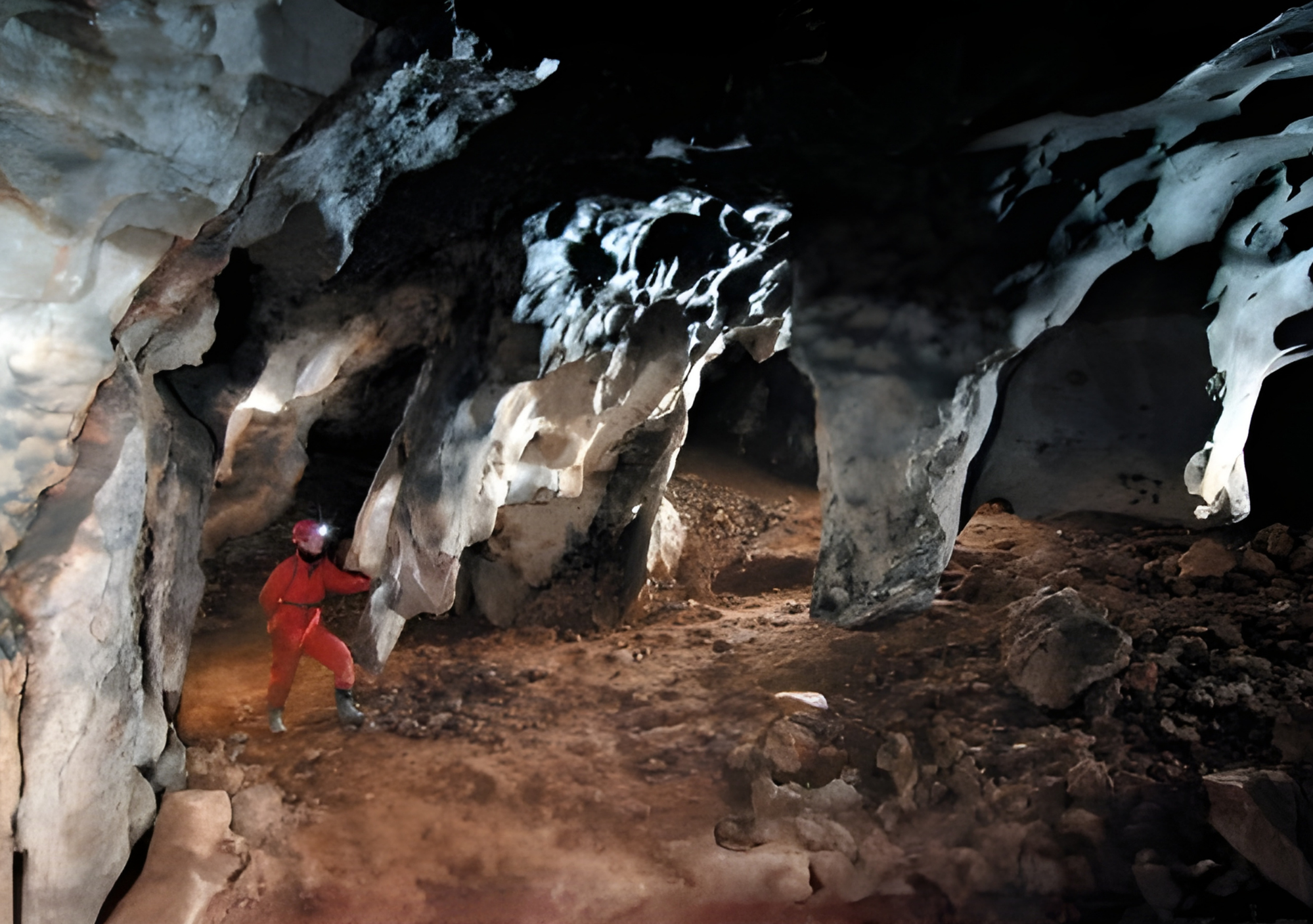
Fig.1. The entrance dome in the Moldava Cave
Although it is not rich in karst decorations, it serves as an important refuge for local fauna. It was formed by floodwaters sinking from the surface stream of the Bodva River. The cave has been known since time immemorial, as evidenced by wall inscriptions. Archaeologists have confirmed that the cave was used by humans from the Late Stone Age up to the modern era. In 1984, the cave spaces were closed to the public for safety reasons and to prevent damage to the cave.

Fig. 2. Ground plan of the Moldava Cave
Archaeological finds
During the rescue archaeological research in the Moldava Cave, dozens of archaeologically and historically valuable objects were discovered. In addition to archaeological artefacts from the Bronze Age and the La Tène period, significant finds include jewelry (rings, an earring), iron objects (spurs, small knives, buckles, an arrowhead, nails, etc.), and numismatic items from the late 12th and early 13th centuries. These consist of coins (obols, denars, and bracteates) of the Hungarian kings Andrew II and Béla III. Pieces of raw silver and lead weights were also found in the cave.
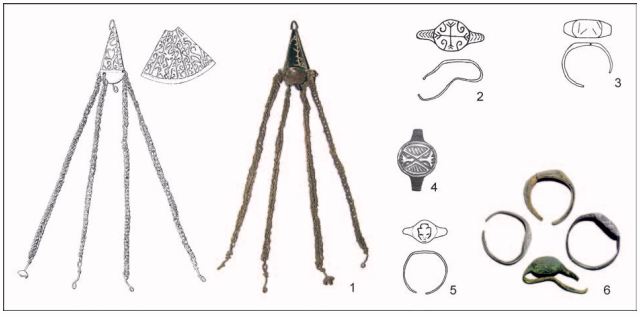
Fig.3. A chain earring and rings from the 13th century, Moldava Cave
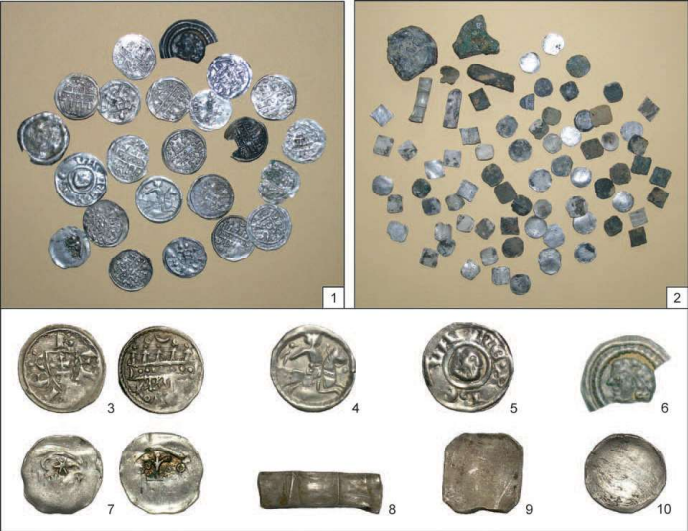
Fig.4. Numismatic material discovered in the Moldava Cave, 13th century
The discovered objects were the personal belongings of the inhabitants of Moldava nad Bodvou and its surroundings, who hid in the cave during the Mongol–Tatar invasion in 1241 and were forced to survive there for some time. Their suffering is evidenced by four examined graves with accompanying finds from the 13th century (pottery fragments, an iron dagger) and numerous fragments of human bones from several disturbed graves. A preserved legend also speaks of the inhabitants of Moldava nad Bodvou and the surrounding area seeking refuge in this cave.

Fig. 5. Unearthed Medieval Grave
Legend
The Moldava Cave is not only a geologically and archaeologically interesting site, but also a place full of history and myths. This is reflected in a legend still passed down today about people hiding in the cave during the Mongol–Tatar invasions (1241–1242). In connection with the Tatar invasion of the Kingdom of Hungary in the 13th century, a legend arose about the Moldava Cave. According to it, the people of Moldava did not flee but hid inside the cave. The Tatars plundered Moldava and tracked down those who had taken refuge. They placed a strong guard at the cave entrance to starve the refugees out, but the people of Moldava knew another secret entrance through which they replenished their supplies. To discourage the besiegers from endlessly waiting for them to emerge, they wanted to show that they had plenty of food: they placed a loaf of bread on a long shovel, illuminated by a burning candle stuck in the middle, and pushed it toward the entrance. The Tatars were deceived and withdrew.
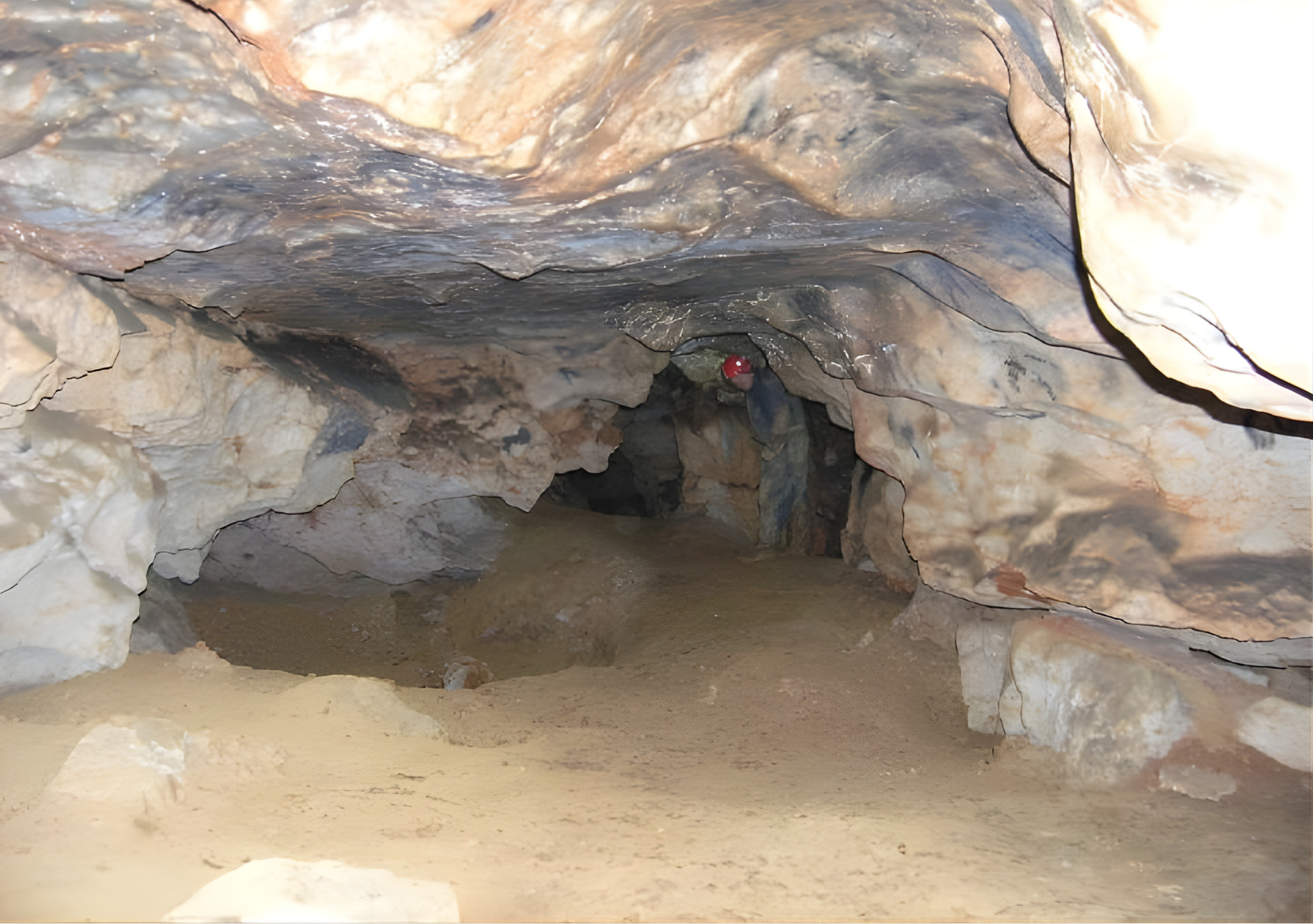
Fig.6. Speleoarchaeologist at the Unearthed Site
Interactive map of the finds
Moldava cave
The Moldava Cave through the eyes of artificial intelligence
Listen to the song about the Moldava Cave and the archaeological finds discovered in it:
Source: created using an AI tool https://suno.com/
Archaeological excavation (2004–2006):
Sources
- Dvořák, Pavel. Stopy dávnej minulosti 5: Slovensko v stredoveku, Vydavateľstvo Rak, 2009 (ISBN 987-80-85501-43-8).
- Bella, P. - Gaál, Ľ. - Littva, J. - Hochmuth, Z. - Haviarová, D. - Soták, J.: Moldavská jaskyňa – horizontálny labyrint vytvorený alochtónnymi vodami Bodvy v kontaktnom krase Medzevskej pahorkatiny, Mineralia Slovaca, Web ISSN 1338-3523, ISSN 0369-208650 (2018), s. 157 – 176.
- Hunka, Ján - Soják, Marián. Mince a sekané striebro z Moldavskej jaskyne, ich historický význam. Archaeologia historica, roč. 33, č. 1, 2008, s. 445–456. ISSN 0231-5823. ISBN 978-80-7275-076-4.
- Hunka, Ján - Soják, Marián. Nové doklady k vpádu mongolsko-tatárskych vojsk do Uhorska v rokoch 1241-1242. In: GANCARSKI, Jan (ed.). Stan i potrzeby badań archeologicznych w Karpatach. Krosno: Muzeum Podkarpackie w Krośnie, 2017, s. 541–562. ISBN 978-83-949768-0-4.
- Soják, Marián. Jaskyne na Slovensku ako objekty archeologického a historického poznania, Archaeologica Slovaca Monographiae. Studia, Tomus XXXVI, Nitra 2024
Figure Credits
- Fig.1: Entrance Dome, Moldava Cave, photo by: P. Staník
- Fig.2: Plan Map of the Moldava Cave (Hochmuth, 2007)
- Fig.3: Chain‑type earring and rings from the 13th century, Moldava Cave, photo and archive: M. Soják.
- Fig.4: Numismatic material discovered in the Moldava Cave, 13th century, photo by: M. Soják.
- Fig.5: Unearthed Medieval Grave, photo by: M. Soják
- Fig.6: Speleoarchaeologist at the Unearthed Site, photo by: M. Soják