"Ethnographic Museum with a Blacksmith’s Forge"


The History and Importance of Crafts in Moldava nad Bodvou
The house with a blacksmith’s forge in Moldava nad Bodvou is a rare cultural and historical monument that today serves as a small ethnographic museum.
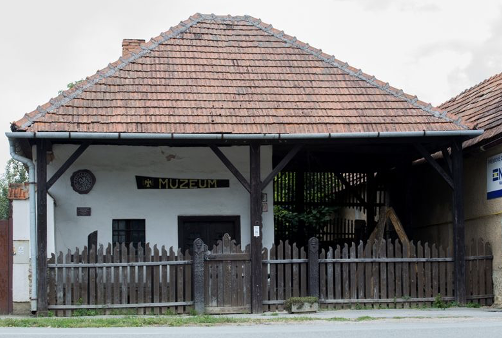
Fig. 1. The house with the blacksmith’s forge, as it looks today
In 1345, Moldava was granted the status of a “free royal town” with market rights, becoming an important commercial and craft center of the region. In the 16th century, craftsmen began organizing into guilds – the shoemakers’ guild, the tailors’ guild, the bootmakers’ guild, the gingerbread makers’ guild, as well as the locksmiths’ and furriers’ guilds. The Ethnographic Museum – the Blacksmith’s Forge – is dedicated to these most significant guilds.
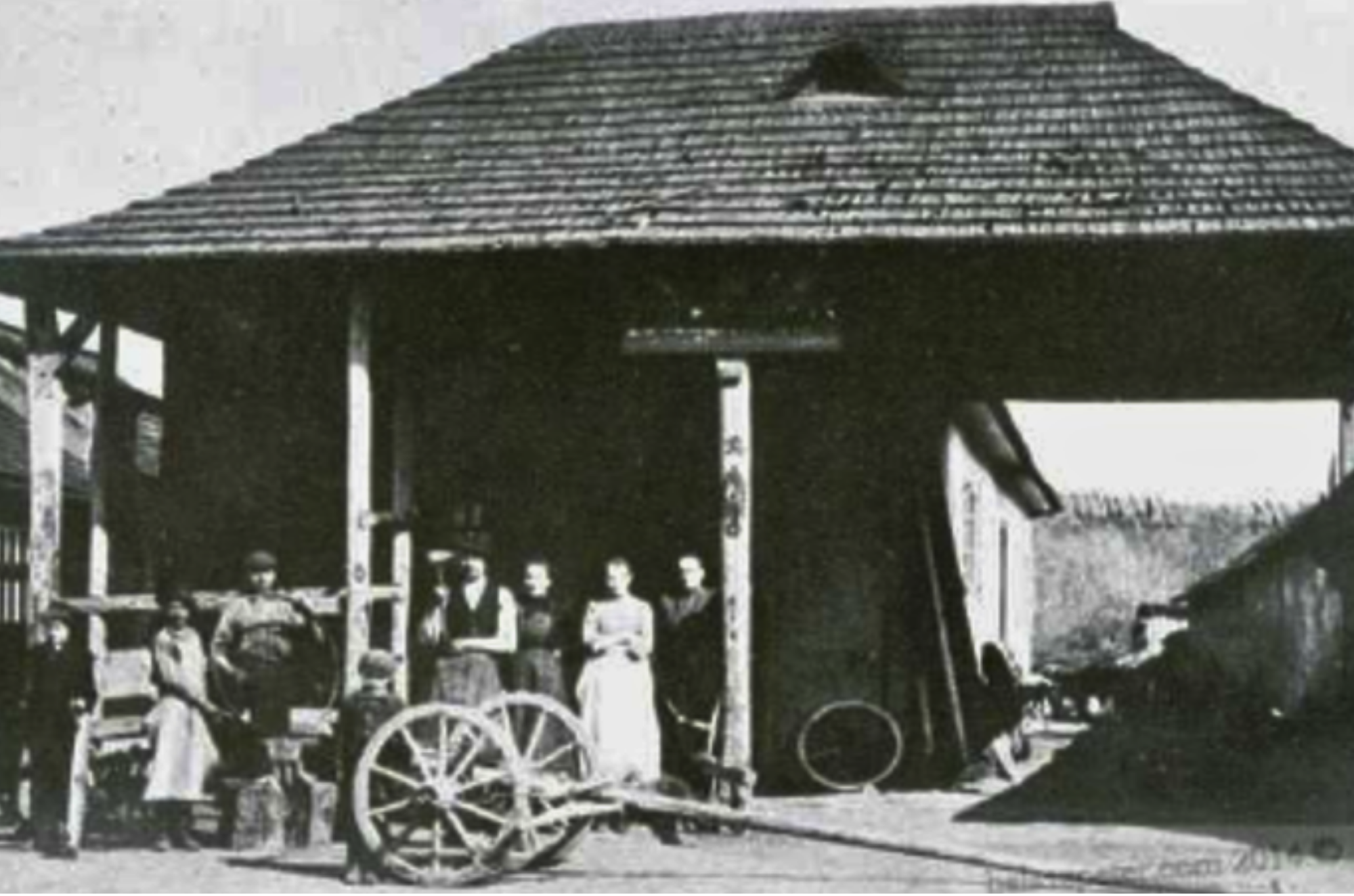
Fig. 2. The house with the blacksmith’s forge, as it looked in the past
It is located in the premises of a craftsman’s house – the blacksmith’s workshop and forge of master Gustáv Zsolner at 130 Hlavná Street. The house was built around 1850 from stone and has been preserved in its original condition. Here you can find a display of traditional crafts as well as an exhibition of period living typical for craftsmen from the late 19th and early 20th centuries. The site also includes an exhibition of tools, household items, clothing, home furnishings, and part of the private collection of PhMr. Gustáv Stibrányi from exploratory excavations in the Zádiel Valley. The cellar area and the farm buildings have also been preserved.
Blacksmith’s Forge
The museum can be divided into three sections – the front, middle, and rear part. In the front section, there is an authentic blacksmith’s forge with a wide chimney, a blacksmith’s workbench, and various blacksmithing tools. A set of blacksmith’s tongs, dies, and other equipment is displayed here. The tool collection reveals that its user, in addition to practicing traditional blacksmithing, also shoed horses. This is evidenced by the shelter located in front of the forge.
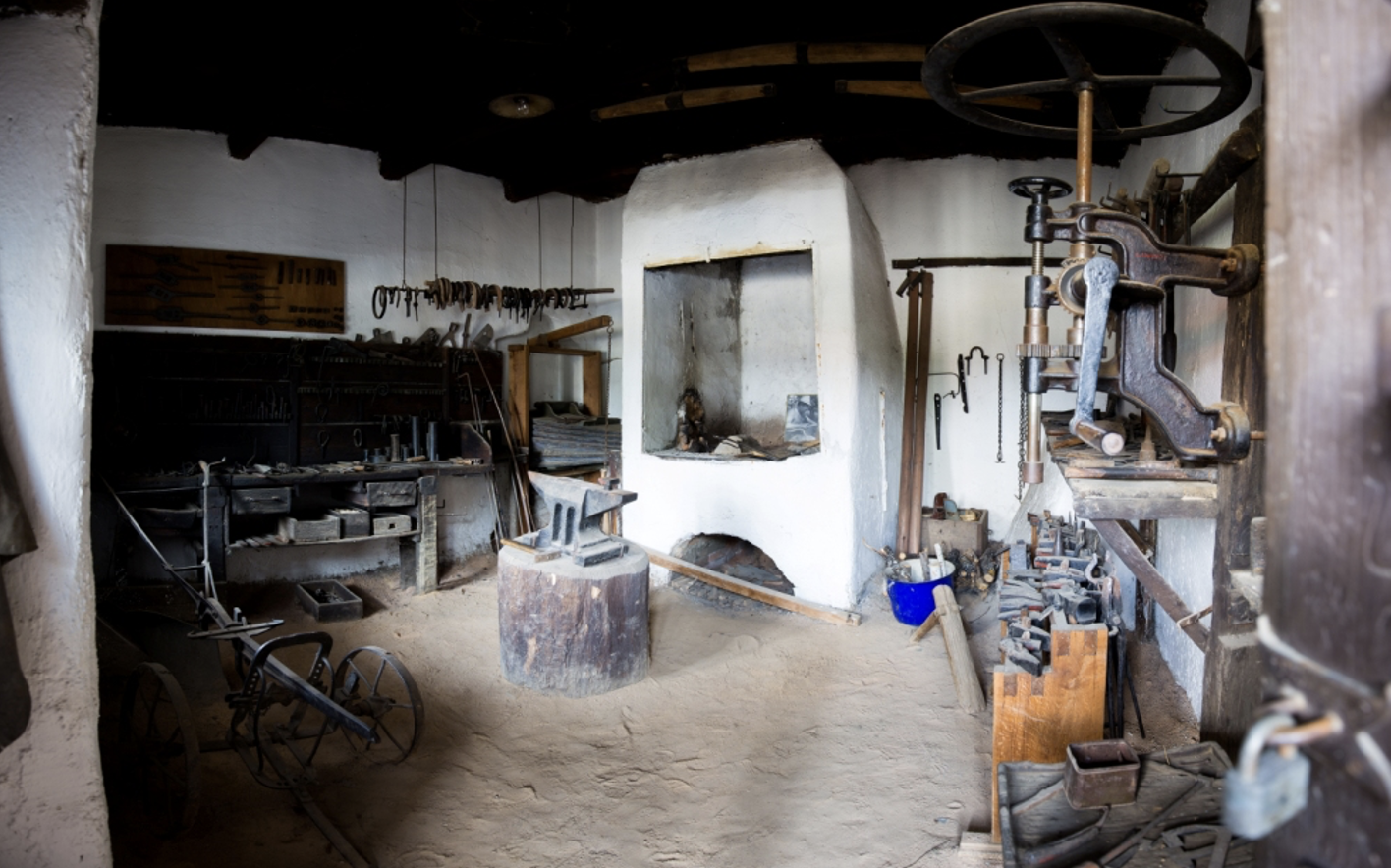
Fig. 3. Blacksmith’s Forge
Ethnographic Museum
In the middle part of the house, there are two rooms and a kitchen. One of them presents the gingerbread makers’, candle makers’, and shoemakers’ guilds, which had a long-standing tradition in Moldava.
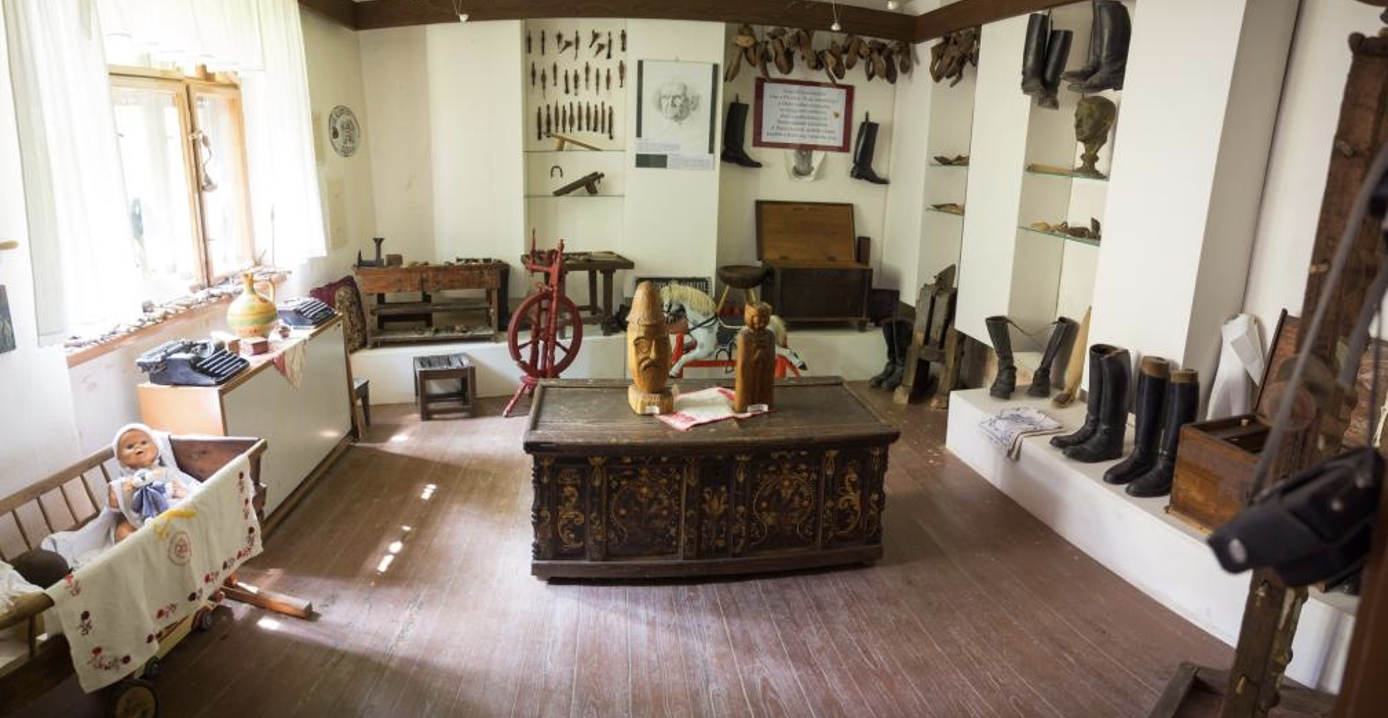
Fig. 4. Room showcasing the shoemakers’, gingerbread makers’, and candle makers’ guilds
The kitchen contains original furnishings and equipment from the late 19th and early 20th centuries. The last room features displays of tools used by the hatmakers’, tailors’, and blueprint textile printers’ guilds. Some archaeological finds from PhMr. Gustáv Stibrányi – an honorary citizen of the town – are also exhibited here. In the small gallery, in addition to period paintings and photographs of the town, there is also a functioning weaving loom.

Fig. 5. Kitchen
In the rear part of the building, there is the utility area with a stable, and in the covered space in the garden behind the house, various preserved objects and machines used in primary agricultural production can be found.
The Blacksmith’s Forge Through the Eyes of Artificial Intelligence
Listen to the song about the Blacksmith’s Forge:
Source: created using the AI tool https://suno.com/
Watch the video animation created from a photograph of the Blacksmith’s Forge:
Source: created using the AI tool https://grok.com/
Sources
- Information Centre Moldava nad Bodvou. Materials on the Blacksmith’s Forge. Unpublished documents, 2026.
- City of Moldava nad Bodvou. Official website of the city. Available at: https://www.moldava.sk [accessed 2026]
Figure Credits
- Fig. 1. - Photo: Adrián Juríček
- Fig. 2. - Information Centre Moldava nad Bodvou. Materials on the Blacksmith’s Forge. Unpublished documents, 2026.
- Fig. 3., 4., 5. - Photos: Adrián Juríček