"You shall seek the place where the Lord your God will choose...
and there you shall go."
לְשִׁכְנוֹ תִדְרְשׁוּ וּבָאתָ שָּׁמָּה


The Synagogue Building
On the initiative of Rabbi Saul Goldstein, the construction of the synagogue in Moldava nad Bodvou was completed in 1853. Until then, the local Jewish community had prayed in a makeshift prayer house.
The original synagogue was destroyed by fire on 25 May 1931. The religious community applied to the Ministry of Education and National Enlightenment for a contribution towards its renovation and for permission to name the new house of worship the Masaryk Synagogue. Support was ultimately provided by the district office, the town, and various donors.
On the gable of the new building, a Hebrew inscription was displayed: "You shall seek the place where the Lord your God will choose... and there you shall go," from the Book of Deuteronomy (Deut. 12:5).
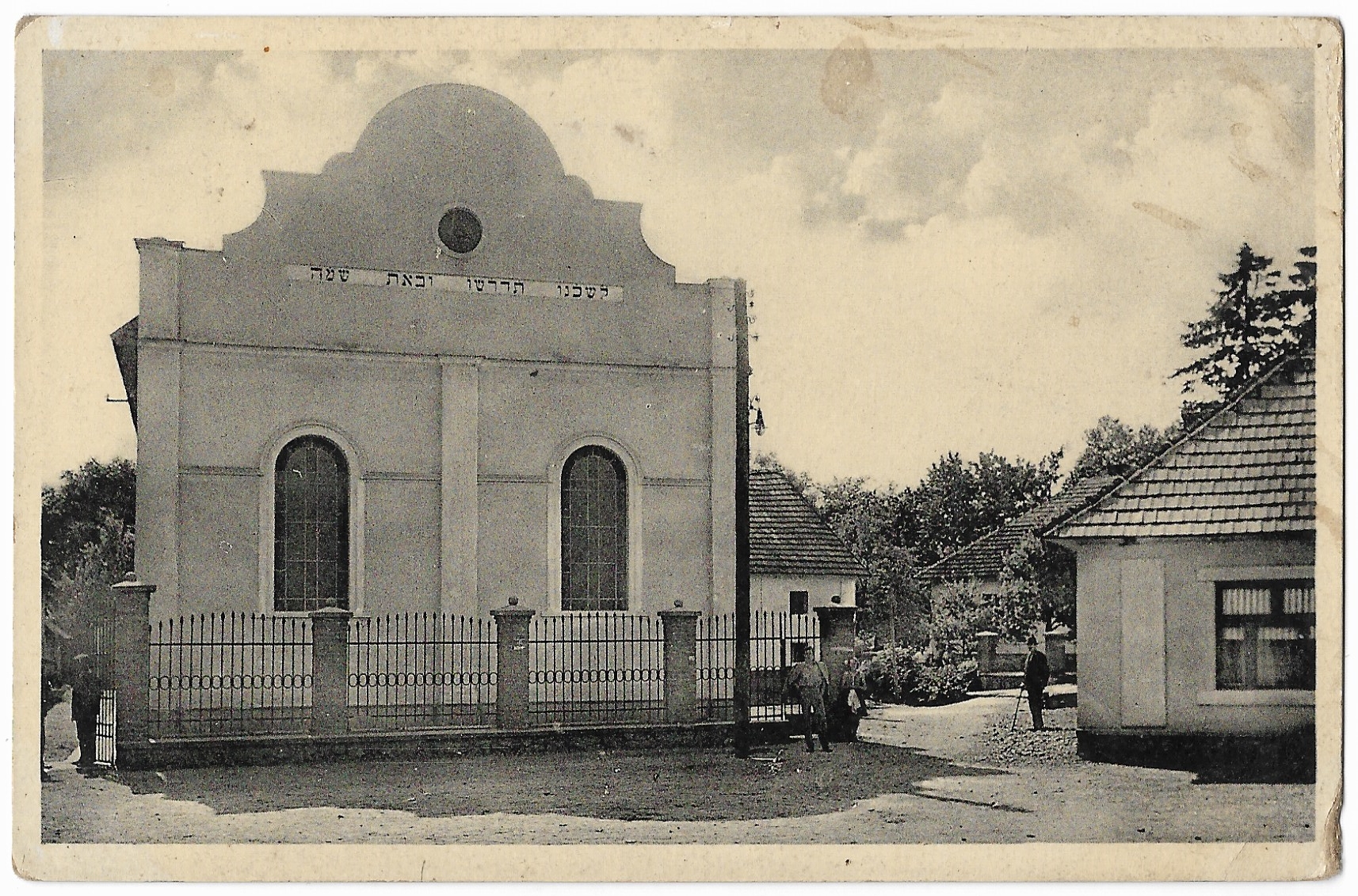
Fig. 1. Photograph of the synagogue with the Hebrew inscription (after the 1931 renovation)
The newly built synagogue was relatively small, measuring 10 × 15 m, and was oriented towards the east. It was designed in a simple classicist style, without distinctive architectural features.
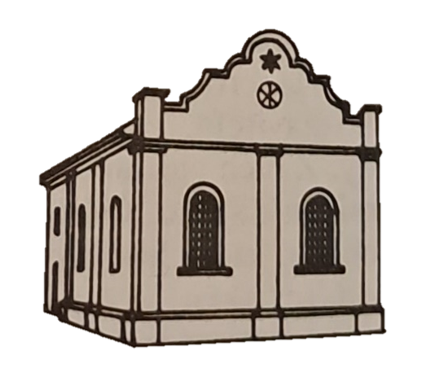
Fig. 2. Drawing of the original synagogue
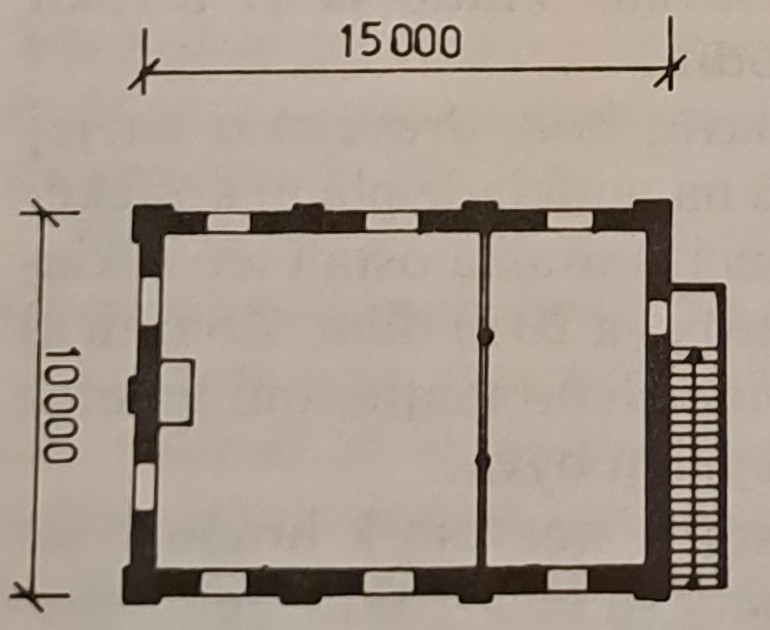
Fig. 3. Floor plan of the synagogue
The local Jewish community followed Orthodox tradition, and so men and women occupied separate areas within the synagogue. Men were seated on the ground floor, which they entered through the main entrance, while women were accommodated in the gallery on the upper floor, accessed from the rear of the building via a wooden staircase covered with wooden shingles. Behind the synagogue were the ritual baths known as the mikveh, where Jewish community members came to purify themselves before important holidays and other occasions. Women had a particular obligation to visit the mikveh after childbirth or menstruation. The water source for the baths was the Bodva River, which flows through the town and whose riverbed borders the synagogue grounds.
Life of the Jewish Community
The Jewish community flourished in the town. The earliest mention of Jewish presence in Moldava dates back to 1727. At that time, Jews were forbidden from settling permanently due to strict regulations. They lived mainly in surrounding villages such as Malý Budulov, Veľký Budulov, Čečejovce, and Mokrance. In the 1840s, after the lifting of the restrictions, Jews gradually began moving into the town. By the late 1850s, a Jewish religious community had been established in Moldava.
A number of Jewish associations developed here, including charitable ones such as Gmilut Hasadim, the Jewish Women's Association, Chevrat Tzedakah, and Bikur Holim. Among the associations was also the Chevra Kadisha, whose members were responsible for preparing funeral rites and maintaining the cemetery. The Women's Association was founded in 1870 under the chairmanship of the wife of Emil Davidovič.
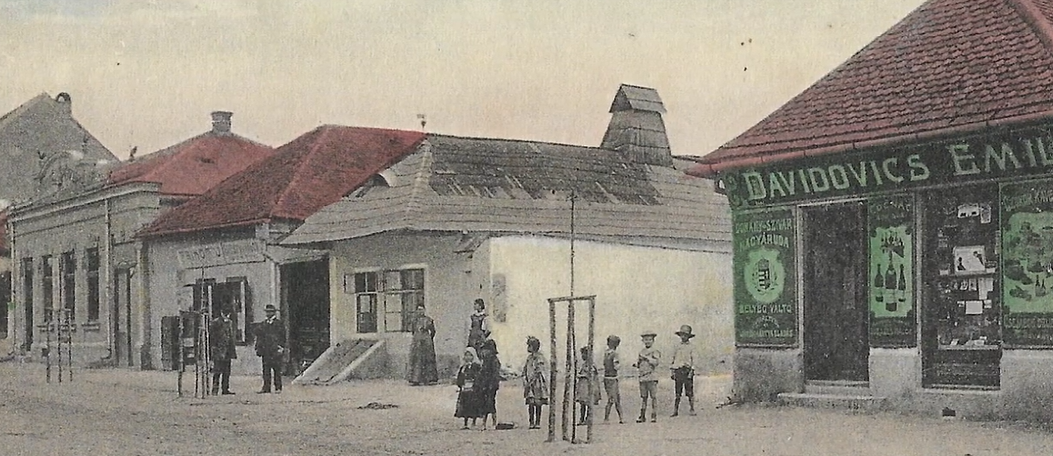
Fig. 4. View of the main street with Emil Davidovič's shop (postcard)
Various traditions and religious laws also shaped different areas of Jewish life. For instance, dietary practices were governed by the set of rules known as kashrut. According to these rules, foods were divided into clean (kosher) and unclean (treif) categories. Those types of meat that Jews were permitted to eat had to be slaughtered in a specific manner by a trained Jewish butcher — the shochet.
End of the Community
During the interwar period, approximately 200 Jewish men and women lived here. They worked as lawyers, district and municipal officials, doctors, dentists, merchants, and craftsmen. They maintained good relations with the other inhabitants — they got along well, respected one another, and were treated as equals. This harmony was brought to an end by the Second World War, when antisemitic sentiment grew to fatal proportions. Jews were gradually stripped of all their rights to a livelihood and ultimately their homes as well. In April 1944, more than 500 Jews from Moldava and the surrounding area were deported to Košice and shortly thereafter directly to concentration camps. Shortly after the deportation, or after the war, the Torah scrolls were removed from the synagogue's sanctuary, thereby causing the synagogue to lose its sacred function. The majority of Holocaust survivors did not return to the town due to the harrowing experiences they had endured.
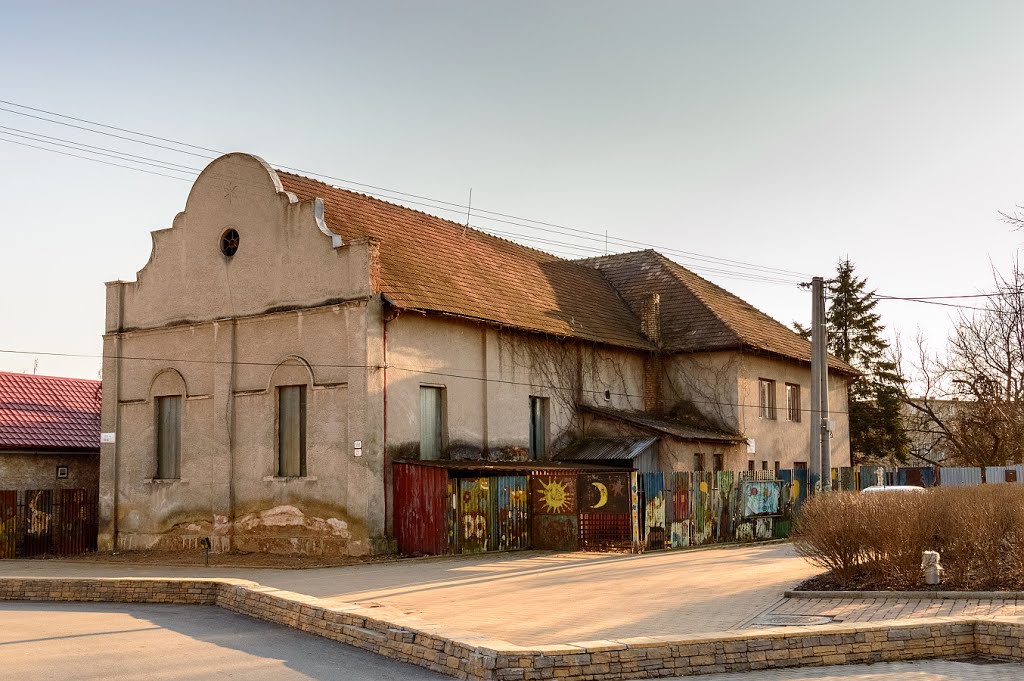
Fig. 5. The synagogue building today
Today, the dilapidated synagogue building stands unused. Plans are in place for its reconstruction, through which the town would convert the synagogue into a Jewish museum.
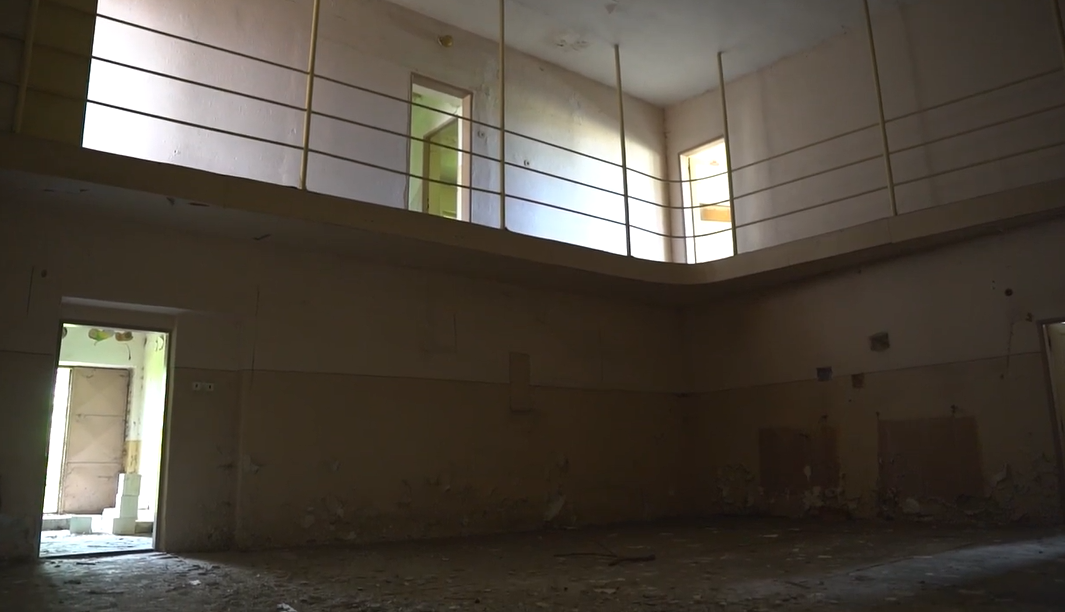
Fig. 6. The interior of the synagogue today
The Synagogue Through the Eyes of Artificial Intelligence
Listen to a song about the Moldava synagogue:
Source: created using the AI tool https://suno.com/
Watch a video animation created from a photograph of the synagogue:
Source: created using the AI tool https://artlist.io/
Sources
- DANKO, Dalibor. Moldava nad Bodvou na starých pohľadniciach. Premeny mesta do prvej polovice 20. storočia. Moldava nad Bodvou: Mestské kultúrne stredisko v Moldave nad Bodvou, 2023, pp. 101–103.
- BÁRKÁNY, E. – DOJČ, Ľ. – KAMENICKÁ, V.: Židovské náboženské obce na Slovensku. Bratislava: Vesna, 1991, pp. 394–395.
- BÜCHLER, R. J.: Encyklopédia židovských náboženských obcí na Slovensku. Vol. 2. L–R. Bratislava: SNM – Múzeum židovskej kultúry, 2010, pp. 76–78.
Figure Credits
- Fig. 1 – photograph, collection of Dalibor Danko
- Fig. 2, Fig. 3 – drawings, source: BÁRKÁNY, E. – DOJČ, Ľ. – KAMENICKÁ, V.: Židovské náboženské obce na Slovensku. Bratislava: Vesna, 1991, p. 394.
- Fig. 4 – postcard, collection of Dalibor Danko
- Fig. 5, Fig. 6 – photographs, source: https://youtu.be/-XNUlGjBnOw?si=pNXpglbWE8mkbHFg