In the past, the district court was located in the building that now houses the elementary art school.



District Court building
By the early 20th century, the old district court building no longer met growing demands, so in 1902 the district court asked the city to fund the building’s renovation. The city initially took the request lightly, but when plans to relocate the district court to Nižný Medzev began to take shape, the city council acted swiftly. A new building was to be erected, and they considered constructing it on a plot next to the old town hall or at the corner of what are now Jiskrova and Hlavná Streets. In the end, the second proposal prevailed, and the purchase of the land began shortly thereafter.
On October 7, 1906, the city, civil engineer Fülöp Fekete, and the moldava construction firm Pál Bakacsi signed a contract for the construction of new courthouse and prison buildings. Costs were estimated to reach 100,000 forints, and construction was scheduled to be completed by October 15, 1907. At the same time, construction was underway on the district judge’s official residence, consisting of living quarters, a kitchen, a shed, and a cellar with a laundry room (the low building to the right of the courthouse).
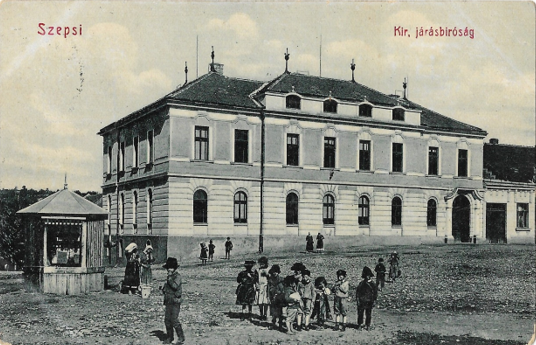
Fig. 1. The district court building; there was a prison in the courtyard behind the building (postcard, 1911)
The jurisdiction of the district court
After the establishment of Czechoslovakia, the district court in Moldava remained in operation. In 1927, the following municipalities fell within the Moldava judicial district: Budulov, Buzica, Cestice, Čečejovce, Debraď, Drienovec, Dvorníky, Hačava, Háj, Horváty, Hosťovce, Hrhov, Hrušov, Hým, Jablonov, Jablonica, Janík, Jasov, Jasovské Podhradie, Komárovce, Nižný a Vyšný Lánec, Nižný a Vyšný Medzev, Moldava, Mokrance, Nováčany, Opátka, Paňovce, Perín, Pisendorf, Poproč, Rešica, Rudník, Štós, Turňa, Turnianska Nová Ves, Včeláre, Zádiel, Zlatá Idka, Žarnov.
The district judge at that time was Rezső Windegg; after construction was completed, the courthouse was connected to the telephone network. In 1915, Gusztáv Szöverényi became the new district judge, and he continued to serve in the town well into the 1930s.
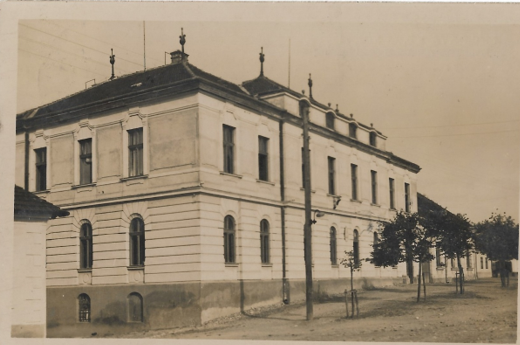
Fig. 2. The District Court Building in 1931 (postcard)
Present
Today, the original district court building houses the elementary school of arts in Moldava nad Bodvou.
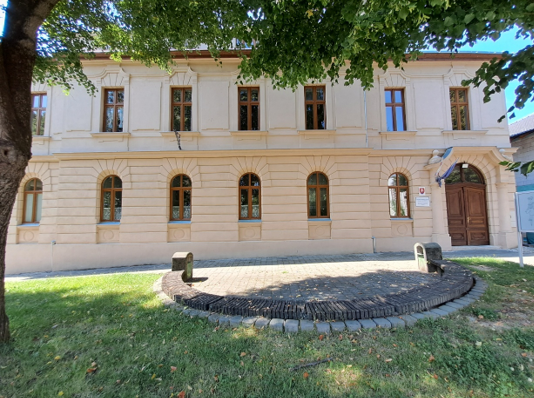
Fig. 3. The building is now home to the elementary school of the arts
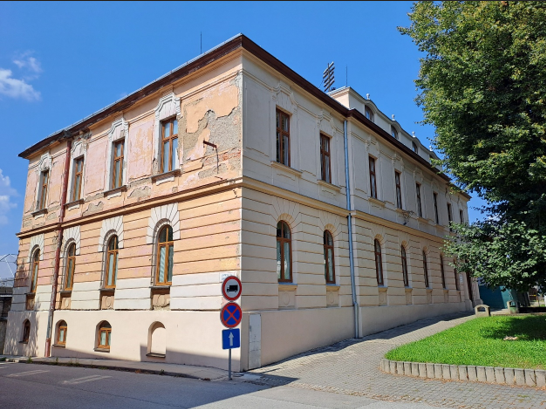
Fig. 4. The Art School building
District Court through the eyes of AI
Listen to the song about the district court in Moldava:
Source: created using the AI tool https://suno.com/
Source: animation created using the AI tool https://artlist.io
Sources
- DANKO, Dalibor. Moldava nad Bodvou na starých pohľadniciach. Premeny mesta do prvej polovice 20. storočia. Moldava nad Bodvou: Mestské kultúrne stredisko v Moldave nad Bodvou, 2023, pp. 101 – 103.
- SOKOLOVSKÝ, Leon. Prehľad dejín verjnej správy na území Slevenska III. Časť (Od roku 1848 do roku 1918). Bratislava: Metodické centrum mesta Bratislavy, 1995, 37 s.
- ŽUDEL, Juraj. Stolice na Slovensku. Bratislava: Obzor, 1984, s. 1-33.
Figure Credits
- Fig. 1., Fig. 2. - postcards, collection of Dalibor Danko
- Fig. 3., Fig. 4. - photographs, author: Dalibor Danko (2023)