This historic building now serves as the town hall; before its reconstruction (in the early 20th century), it housed the district court.



Town Hall Building
In 1872, the building of the district court—today the town hall—was erected in Moldava. Its builder was the Košice construction engineer Endre Magas. Next to it, a small prison was established, employing two guards. It was a structure with a square floor plan. Sometime after 1907, it was rebuilt in the Art Nouveau style, with only its original footprint and structural framework preserved. The town hall is currently listed as a national cultural monument.
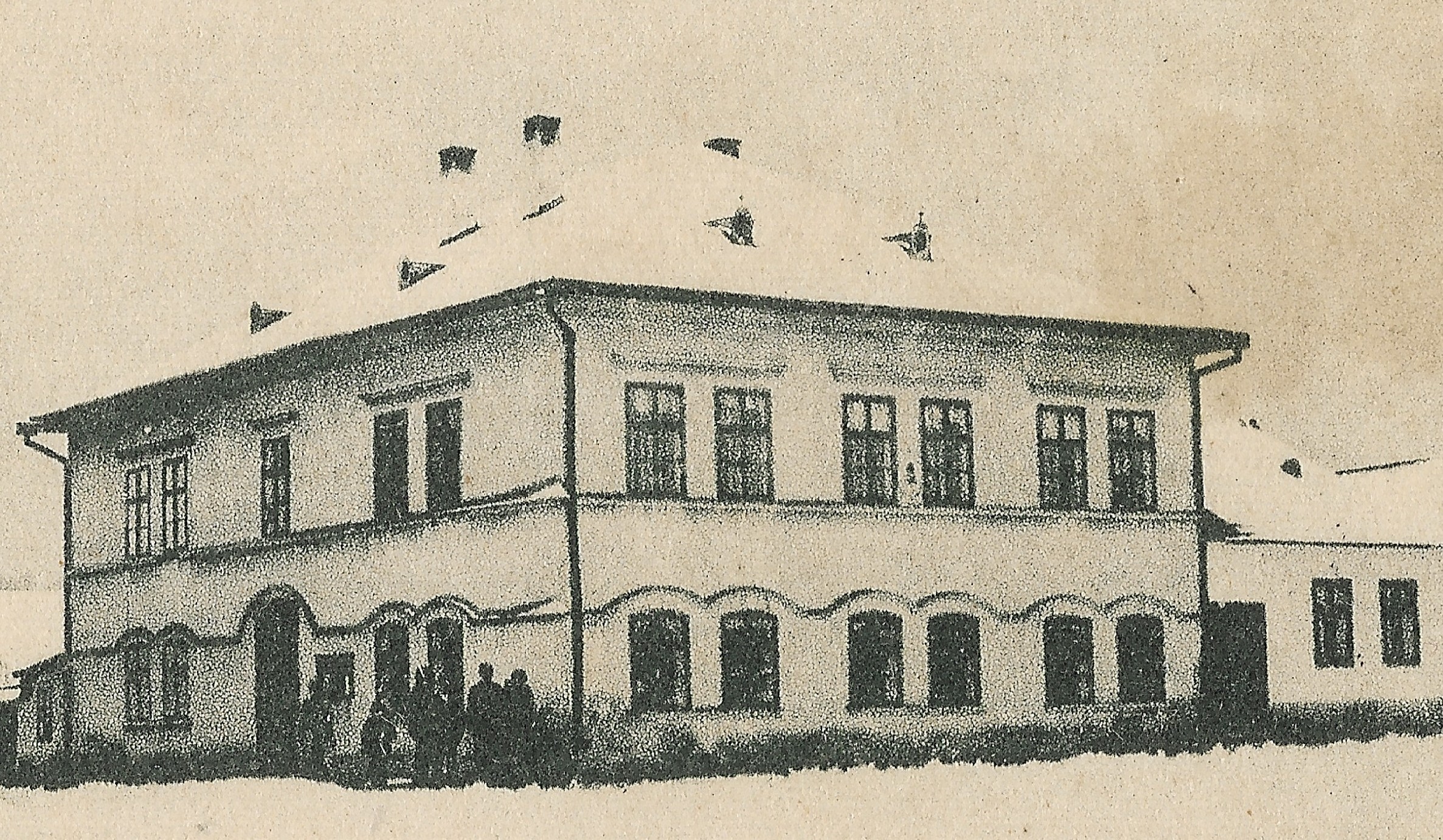
Fig. 1. The district court building in 1901 (a detail from one of the first postcards of Moldava).
Architecture
The building of the new town hall features a characteristic Art Nouveau style with elements of historicist architecture. Today, the town hall has a five-axis front façade, with the ground floor articulated by banded rustication and a prominently shaped window sill cornice. Between the windows of the 2nd and 3rd axes on the upper floor, there is a cartouche with a coat of arms. The crowning cornice above the first axis is topped with an added false second story featuring a small domed turret. Inside, the original Empire-style oak staircase has been preserved.
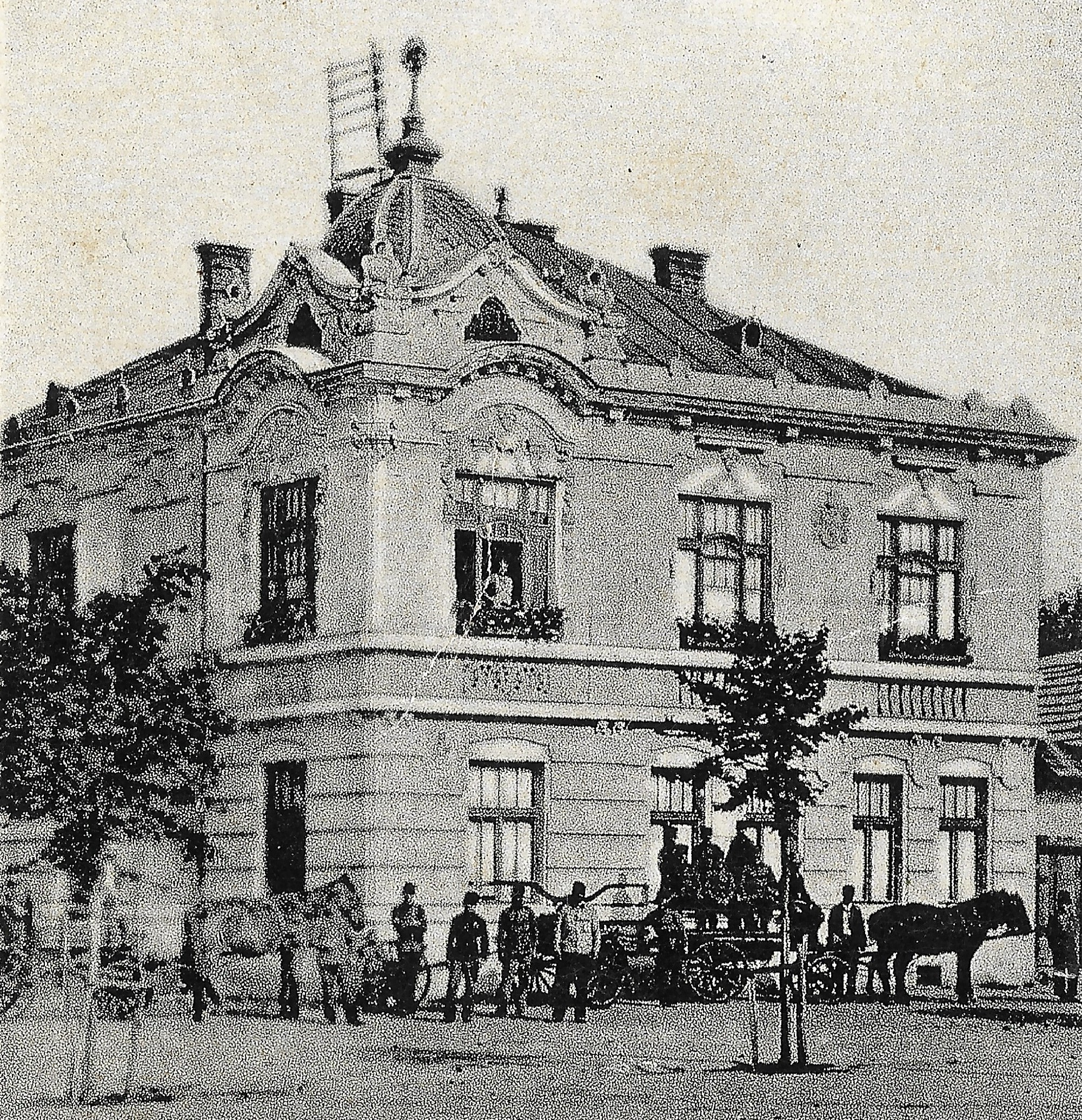
Fig. 2. View of the town hall with gendarmes and horse-drawn carriages in the foreground (a cropped section of a 1926 postcard).
History of the office
The adoption of Act No. 32/1871 led to the establishment of Royal District Courts. A total of 360 were created in the Hungarian part of the monarchy, including the court in Moldava. By 1872, the district court building (today the Municipal Office) already stood in the town. At first, the local court fell under the jurisdiction of the Royal Sedria in Turňa; later, it came under the authority of the Sedria in Košice (the later regional court).
Over time, the workload of district courts increased, creating the need to expand their staff. In addition to the deputy judge and various minor officials, a land-registry administrator also began working at the court. The keeping of land registers—where property-law relations were recorded—was assigned to the court in the late 1870s. At the beginning of the 20th century, the old district court building fell into a state of disrepair, and its roof was at risk of collapsing. For this reason, it was decided to construct a new district court building. Sometime after 1907, the building underwent a major reconstruction in the Art Nouveau style, which significantly altered its exterior appearance.
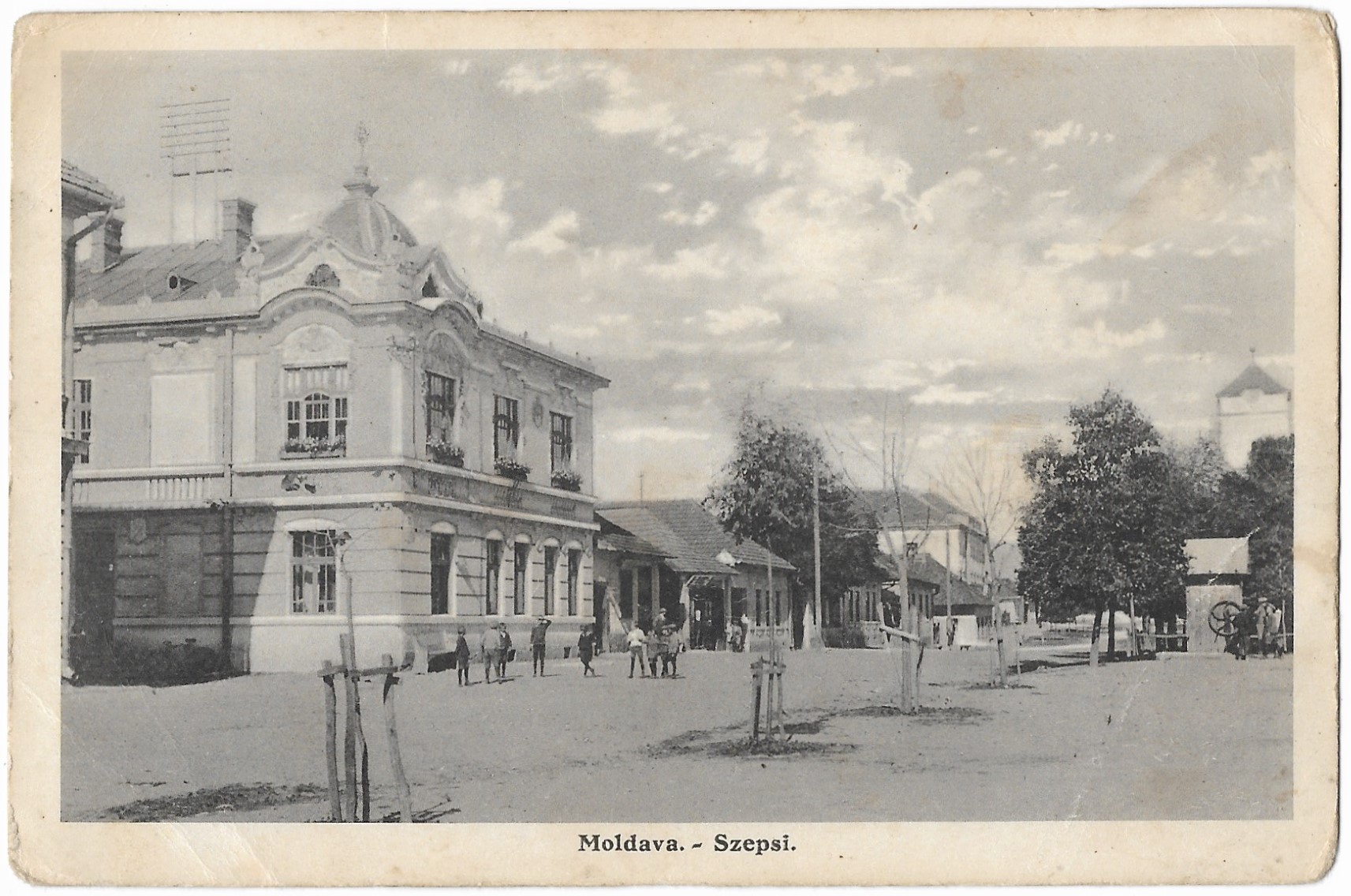
Fig. 3. A postcard from the 1930s (view of the town hall).
The New Town Hall through the eyes of artificial intelligence
Listen to a song about the New Town Hall:
Source: created using an AI tool https://suno.com/
Watch a video animation based on the postcard, featuring a closer view of the added false second floor with a small domed turret:
Source: created using an AI tool https://grok.com/
Sources
- DANKO, Dalibor. Moldava nad Bodvou na starých pohľadniciach. Premeny mesta do prvej polovice 20. storočia. Moldava nad Bodvou: Mestské kultúrne stredisko v Moldave nad Bodvou, 2023, s. 59-68
Figure Credits
- Fig. 1., 2., 3. - postcards, collection of Dalibor Danko