The Reformation was a religious movement in the 16th century that led to the formation of Protestant churches.

Reformation in the town
The exact year of the founding of the Reformed church in Moldava cannot be determined, but a surviving letter from 1558 proves its existence – with a church, a pastor, and property. At that time, apart from the Catholic priest and two believers, the entire town was Protestant.
From the 1660s, the Counter-Reformation began in Moldava , which took on a radical form in the area thanks to a Jesuit priest known as Father Herko.
The church, parish buildings, and school in Moldava passed back and forth between the hands of Catholics and Calvinists (Protestants, Reformers). Under a decree in 1688, the church was returned to the Catholics, but 16 years later it was back in the hands of the Calvinists. The Calvinists' efforts were definitively frozen by the end of the anti-Habsburg uprisings. With the adoption of the Peace of Szatmár in 1711, the Calvinist temple was returned to the Catholics, and the Calvinists never managed to regain the church.
The position of the Calvinists began to improve from the mid-18th century. In 1753, the Calvinists managed to obtain permission to build their own rectory.
The New Calvinist Church
Believers who were left without a church built a wooden church in the cemetery and constantly requested permission to build a stone church, which they were granted on July 6, 1772. The foundations of the temple were placed on the same spot where today's temple stands. The funds for the construction of the temple were provided by the town, the guilds, and the believers. Later, a wooden church tower was added to the church.
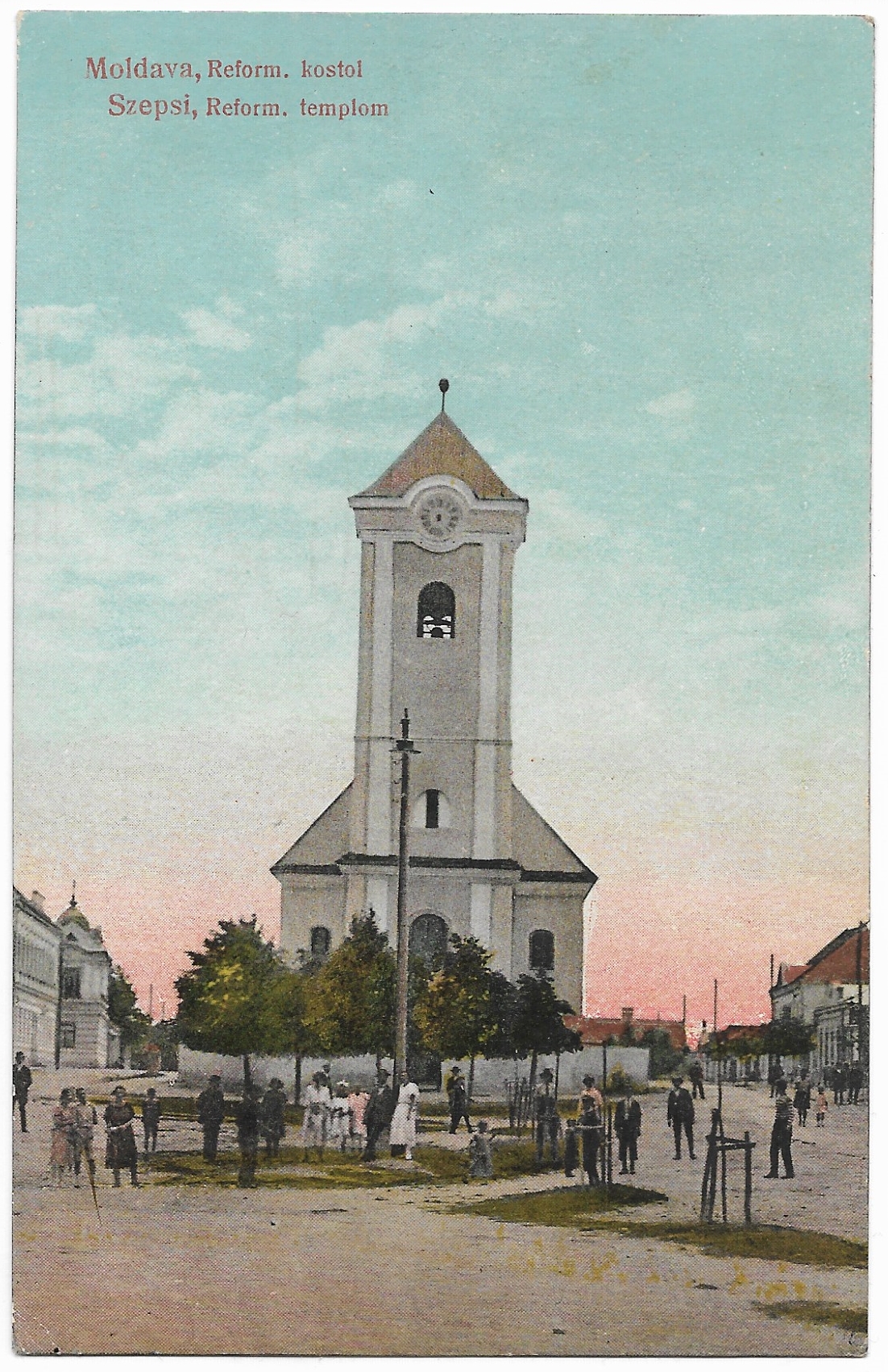
Fig. 1. Reformed Church at the beginning of the 20th century (postcard)
After the adoption of the Edict of Toleration, the residents of Moldava requested permission in 1783 to replace the original wooden church tower with a brick one. The stonemason master from Rožňava, Georgius Kriska, who was hired for this purpose, allegedly finished the tower construction too quickly, which eventually led to it collapsing on Christmas 1784, dragging a part of the church walls with it. Repairs and the construction of a new church tower began the following year. It was completed in 1789, a period when the Reformed church was surrounded by a wall with two Classicist portals.
Fire and Reconstruction of the Church
During the fire on August 27, 1794, almost the entire town burned down, including the Reformed church. In 1795, the church was rebuilt; the original roof was shingled, and in 1819, it was recovered with shingles. After 1840, the shingles were replaced with slate, and the tower was covered with tin plating.
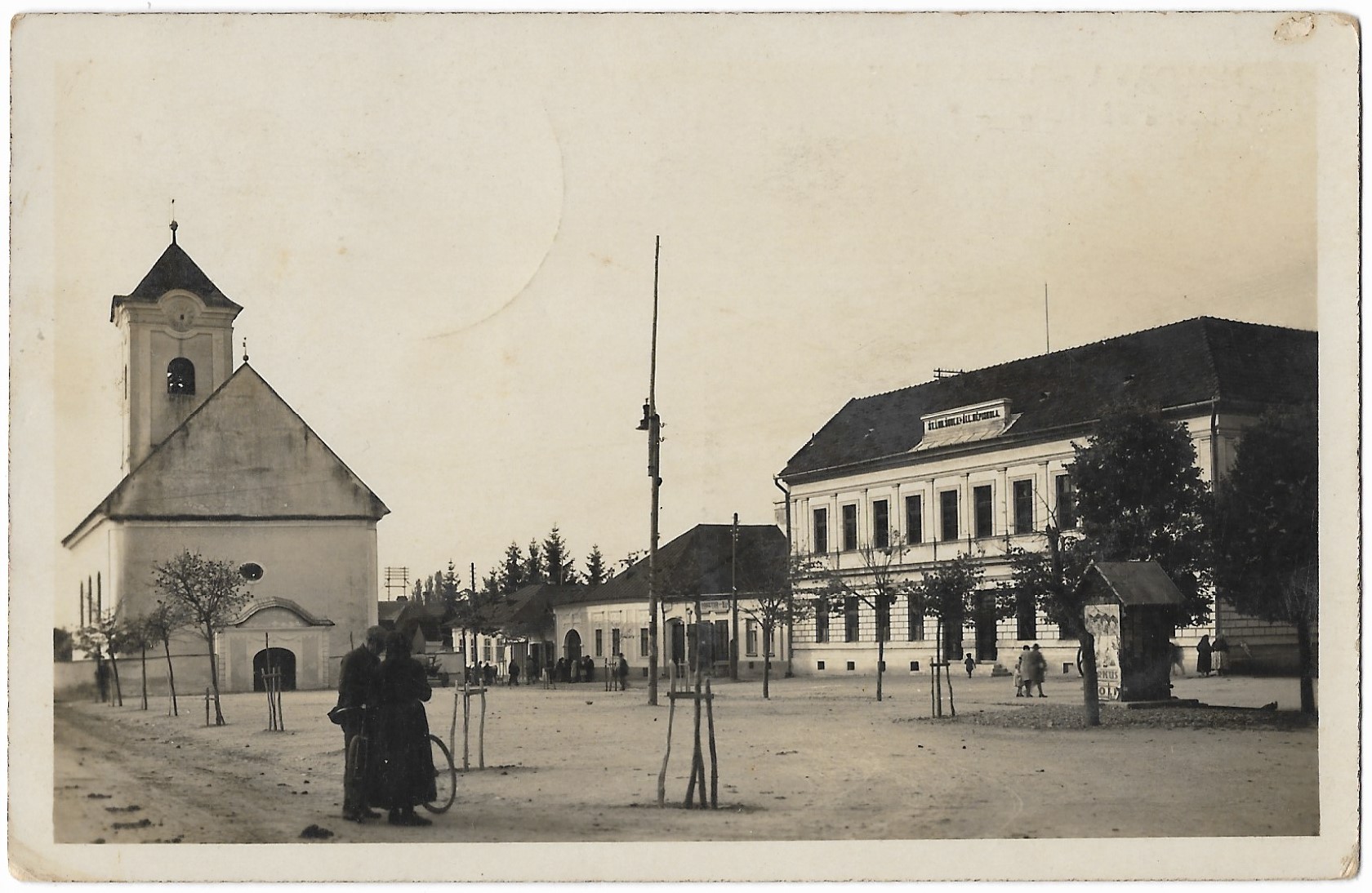
Fig. 2. View of the church in 1930 (postcard)
At the end of World War II, the retreating Germans blew up the church tower, thereby destroying the interior of the church as well. The new tower was built between 1949 and 1951, but the regime of that time did not allow it to be built to its original height.
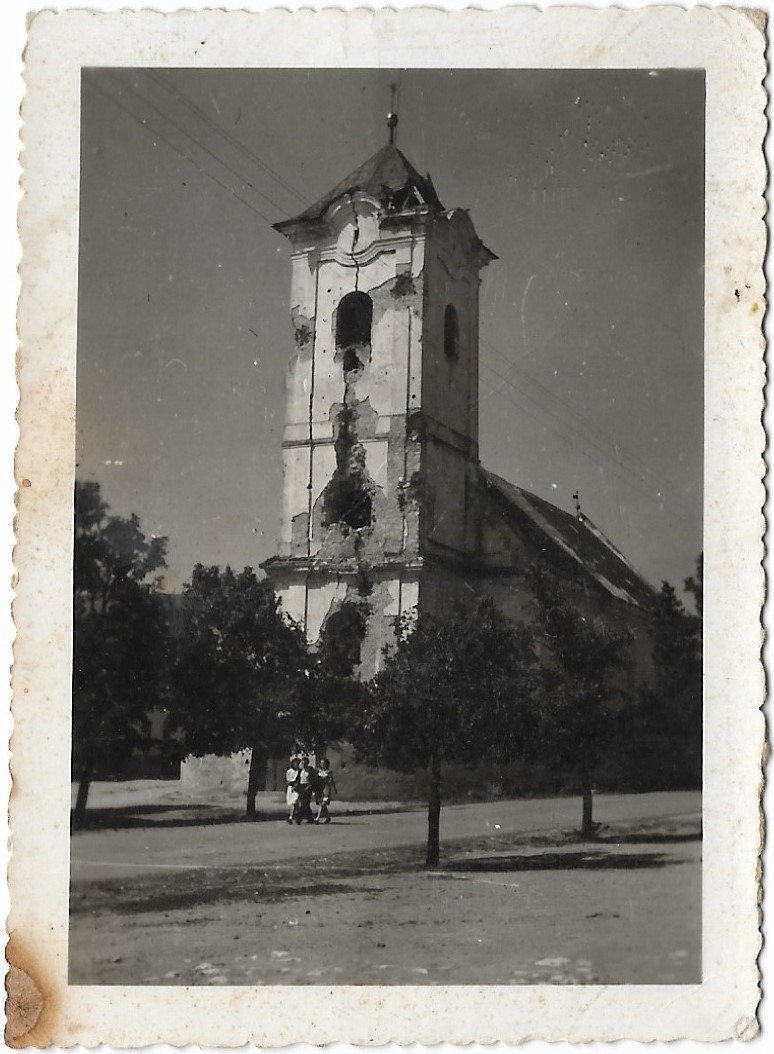
Fig. 3. The church during World War II
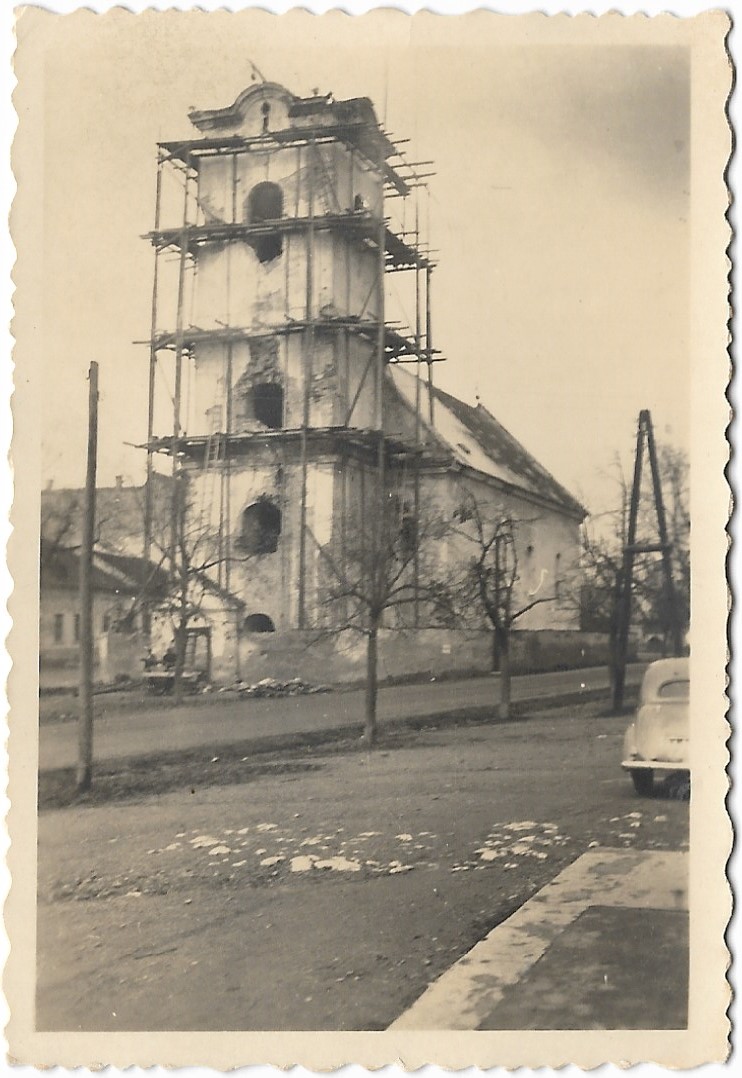
Fig. 4. The church during World War II
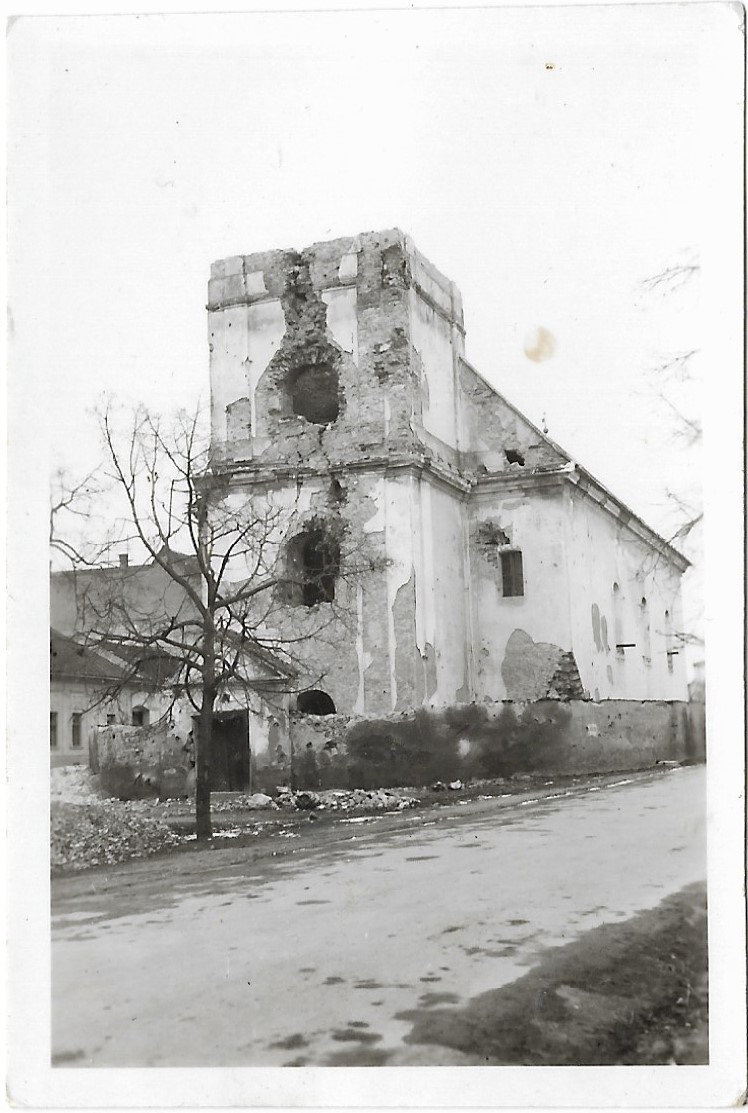
Fig. 5. The church after World War II
The last reconstruction took place between 1997 and 1999. During this renovation, a unique carved pulpit and other accessories were added to its interior.
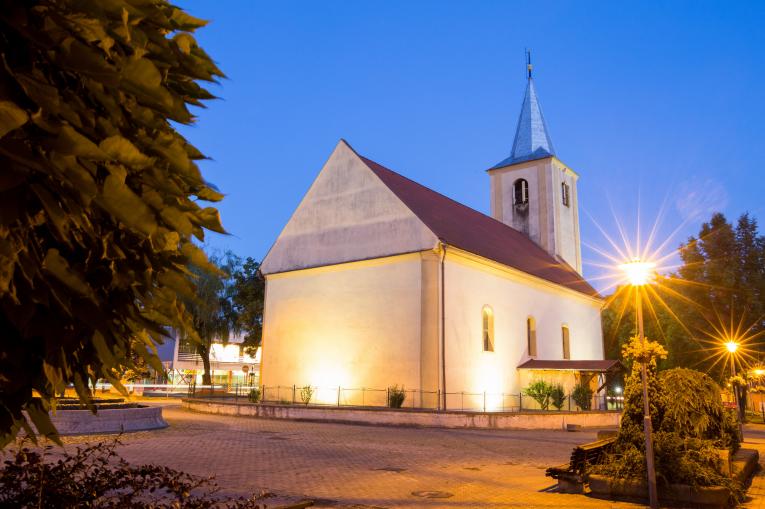
Fig. 6. The Reformed Church today
The Reformed Church through the eyes of Artificial Intelligence
Listen to a song about the Reformed church in Moldava :
Source: created using the AI tool https://suno.com/
Source: animation created using the AI tool https://gemini.google.com
Sources
- DANKO, Dalibor. Moldava nad Bodvou on old postcards. The transformation of the town until the first half of the 20th century. Moldava nad Bodvou: Municipal Cultural Center in Moldava nad Bodvou, 2023, pp. 96–98.
- KOVÁCS, Béla. The history of the Reformed Church in Moldava nad Bodvou based on archival documents and church records. Sárospatak: Reformed Church of Moldava nad Bodvou, 1896, 93 p.
- List of Monuments in Slovakia. Vol. II. Bratislava: Obzor, 1968, p. 336.
- Bartók, Csaba. Reformed Church Congregation in Moldava nad Bodvou. Church. Available online [cit. 25/10/2025] http://www.refszepsi.sk/index.php?id=14
Figure Credits
- Fig. 1, Fig. 2 – Postcards, collection of Dalibor Danko
- Fig. 3, Fig. 4, Fig. 5 – Photographs, collection of the Rácz family
- Fig. 6 – Photograph, author: Adrián Juríček